
Decisions matter because of what they make possible.
Behind every engagement is a real tension: growth, choice, change or uncertainty. Our work helps turn that tension into something the organization can act on and sustain.
Six stories about what was at stake and what became possible.
New markets test what makes a business recognizable in the first place.
Growing without losing identity

- The challenge
- Each new market required a different expression of the brand. Those adjustments began to fragment its identity, even as growth demanded both flexibility and a shared sense of what mattered most.
- Our contribution
- We helped distinguish the elements of identity that needed to remain consistent from those that could respond to local markets. That distinction gave teams a shared basis for decisions without flattening the differences between markets.
- What endured
- The organization gained an identity system with a stable core, room for local expression and shared criteria for new proposals. Expansion could continue without reopening the same fundamental questions in every market.
There were plenty of good ideas. The harder part was choosing.
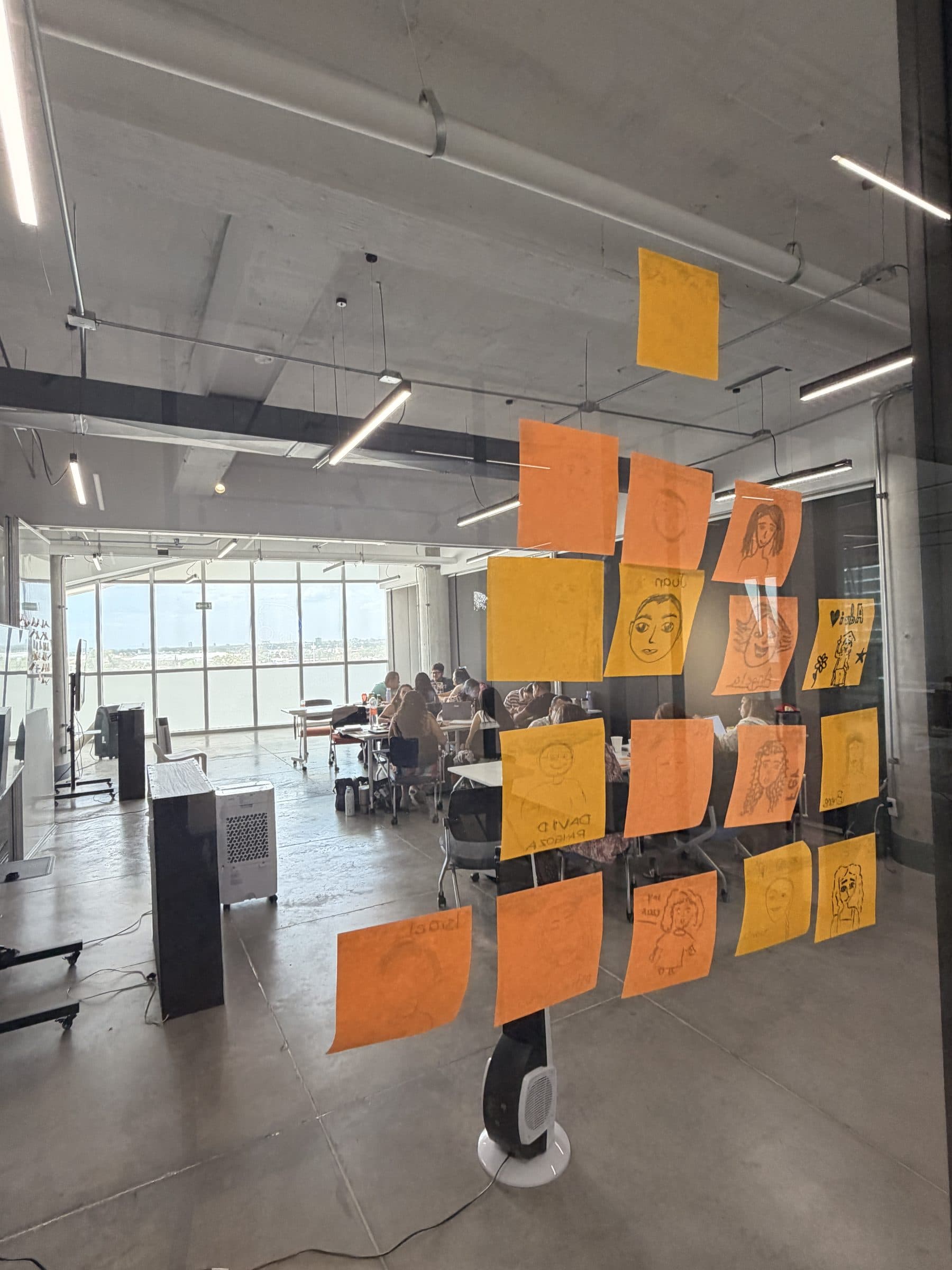
Choosing where to invest
- The challenge
- Initiatives kept multiplying while resources stayed limited. Each proposal looked urgent from its own corner of the business, and the portfolio grew faster than the organization’s ability to deliver.
- Our contribution
- We helped leadership make the trade-offs visible: protecting what worked today while making room for future growth. Together, we clarified what each investment needed to justify and created a basis for prioritization the whole team could use.
- What endured
- A more focused portfolio emerged, with clear reasons to proceed, wait or stop. New proposals could be assessed on their merits, rather than the influence of the person behind them.
Some of the most important decisions depend on knowledge nobody has put into words.
Making judgment transferable

- The challenge
- A generational or team transition exposed a vulnerability: responsibilities could move to new hands, but the judgment behind key decisions remained concentrated in a few people.
- Our contribution
- We traced earlier decisions back to the trade-offs, assumptions and experience behind them. Through those conversations, the principles guiding seasoned decision-makers became clearer and easier to share with the next team.
- What endured
- The incoming team gained access to judgment that had once lived in informal conversations. It could make early decisions with support, build confidence and carry forward the reasoning behind the organization’s choices.
A business can look resilient until several pressures arrive at once.
Preparing for pressure

- The challenge
- The business performed well under normal conditions. The concern was how it would respond if demand, capital constraints or supply conditions shifted at the same time.
- Our contribution
- We examined how stress in one part of the business could spread to others. That helped separate manageable risks from critical dependencies and gave leadership a basis for deciding where resilience mattered most.
- What endured
- The organization gained stress scenarios, early-warning signals and response options for difficult conditions. Leadership could see critical dependencies more clearly and decide which capabilities needed attention before a crisis.
The experience still worked. Expectations had moved on.
When expectations change
- The challenge
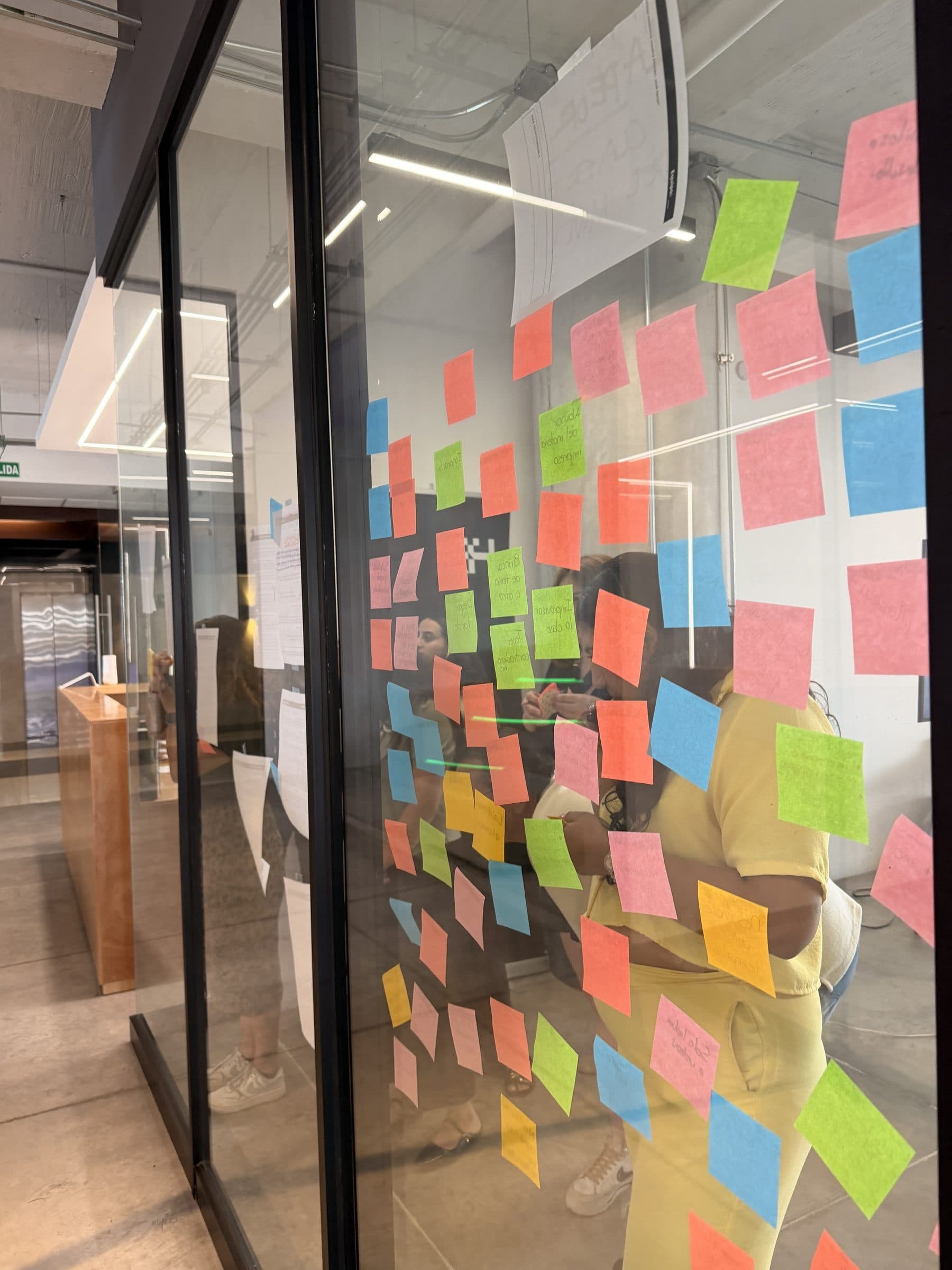
- Performance signals suggested a widening gap between the experience on offer and what customers had come to expect. Their habits, reference points and ways of comparing alternatives had changed.
- Our contribution
- We looked closely at evolving expectations to understand what had changed in the relationship with the brand. This revealed where the experience still delivered value and where deeper changes were needed.
- What endured
- The organization could focus redesign efforts where the gap with customers was greatest, while staying closer to changing expectations. The resulting experience was grounded in the people it actually served.
The vision was clear. Everyday choices still pulled in different directions.
Making vision actionable
- The challenge
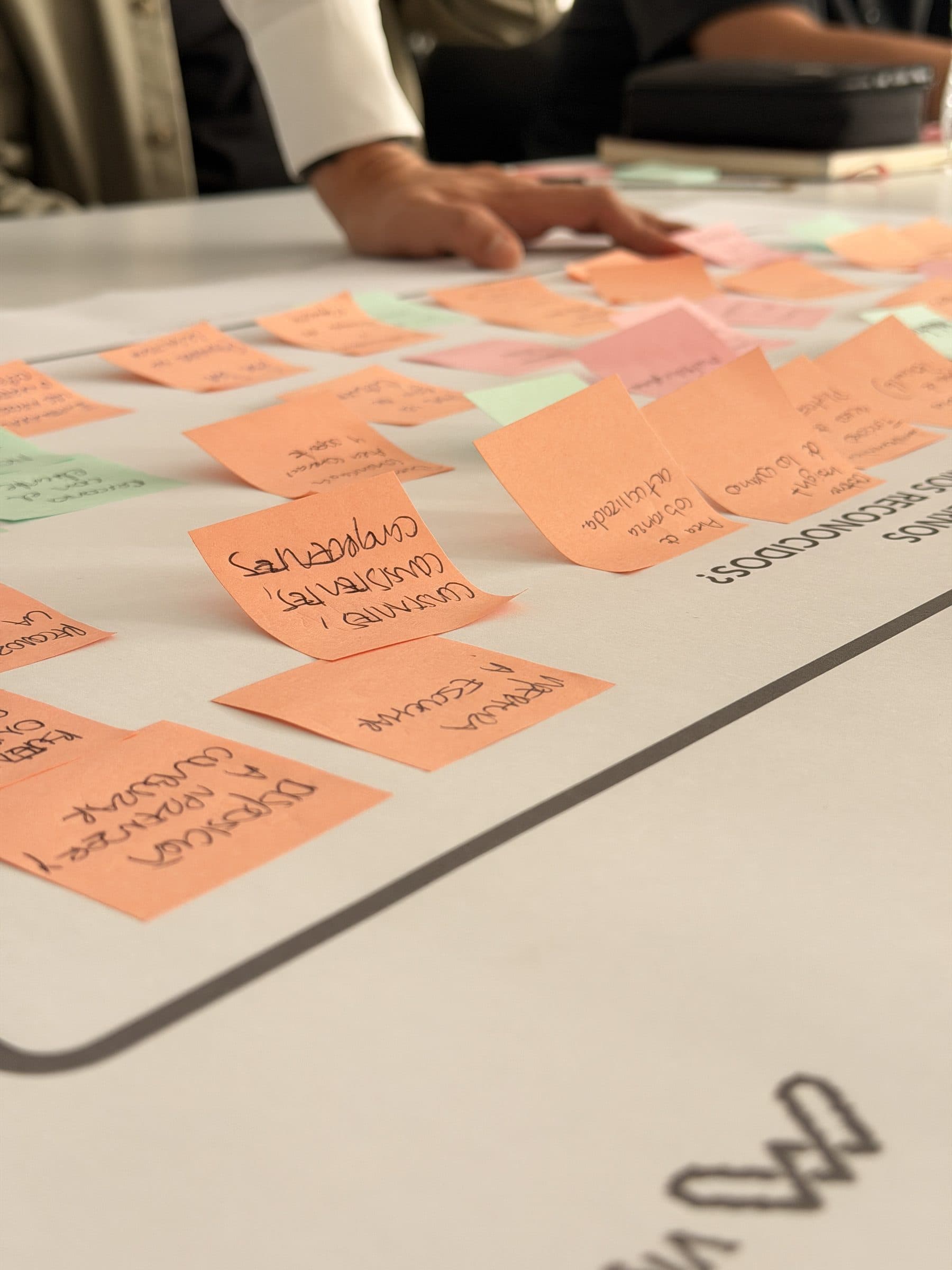
- Leaders shared a long-term ambition, but day-to-day priorities were decided with little reference to it. The vision inspired people without consistently guiding their choices.
- Our contribution
- We worked with the team to close the distance between aspiration and everyday decisions: which initiatives moved the vision forward, which trade-offs weakened it and what a shared direction meant across functions.
- What endured
- The vision became part of how initiatives were prioritized and reviewed. Teams gained a practical basis for adjusting course without having to renegotiate the long-term direction at every meeting.
If one of these situations feels familiar, we’d be glad to hear about it.
The best conversations often begin with a real tension.
Contact and site links

© 2026 Change, Mexico